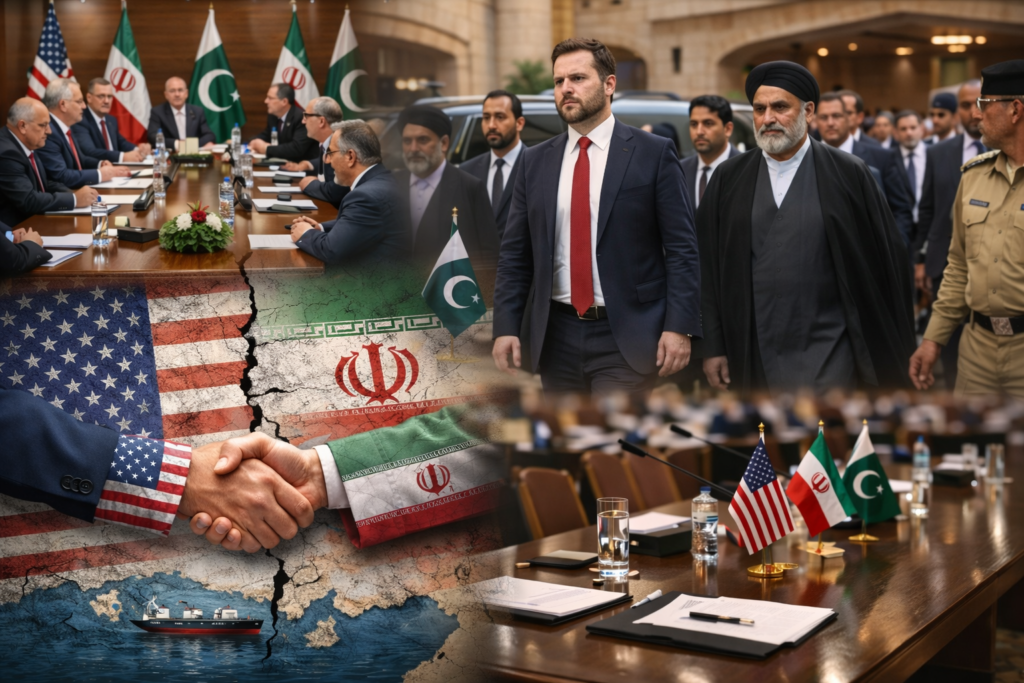

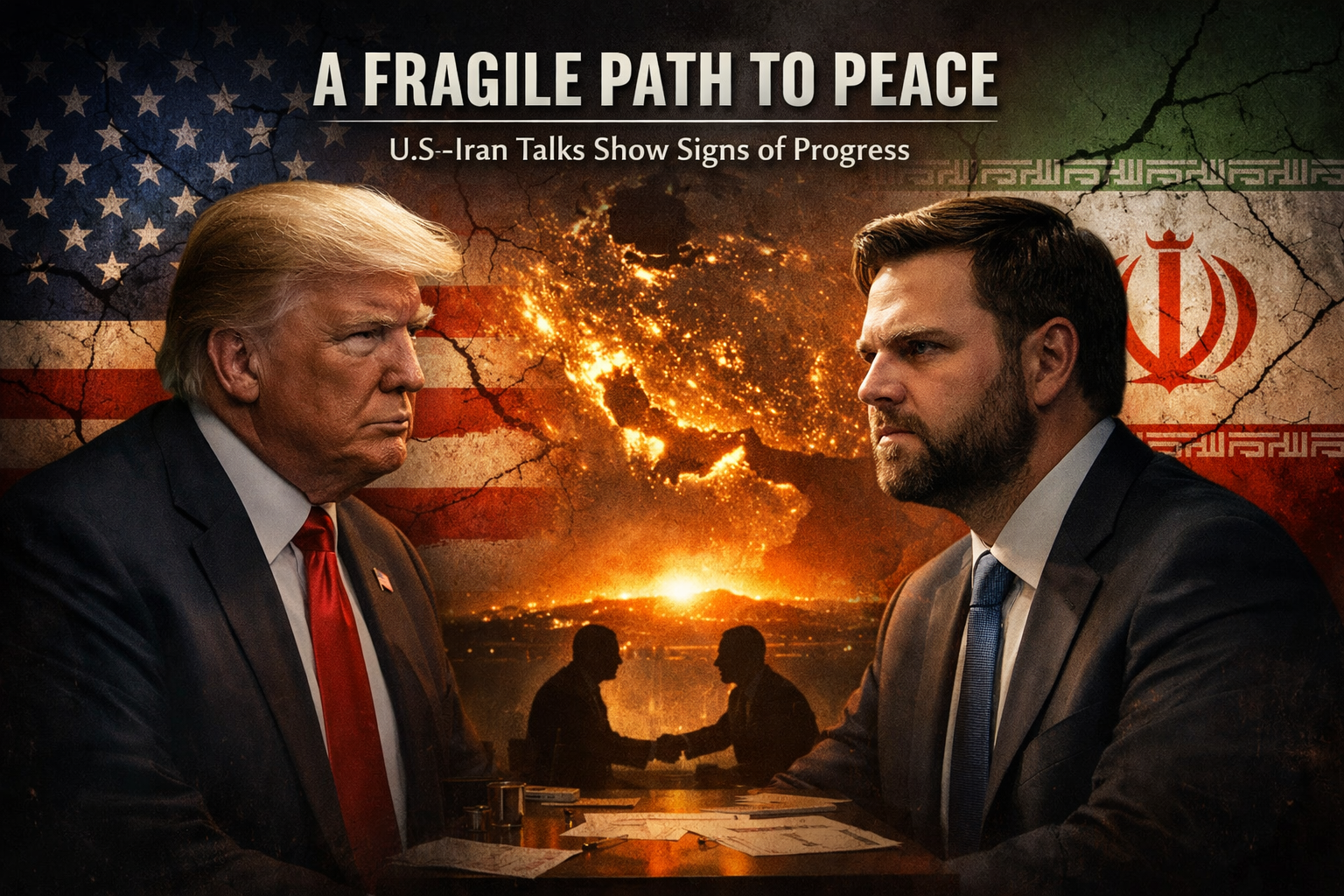
Vice President JD Vance manages expectations on the Islamabad dialogue as global leaders call for a permanent ceasefire.
Tensions and Tiny Steps: The State of the U.S.-Iran Conflict (April 2026)
The geopolitical landscape of West Asia remains on a knife-edge. As of mid-April 2026, the world is witnessing a high-stakes game of “pressure vs. diplomacy,” with global markets hanging in the balance and millions of lives caught in the crossfire.
1. The Diplomatic “Long Game”
In a significant development, Vice President JD Vance and President Donald Trump have signalled that while “mistrust cannot be solved overnight,” there is a window for dialogue.
2. The Economic “Stranglehold”
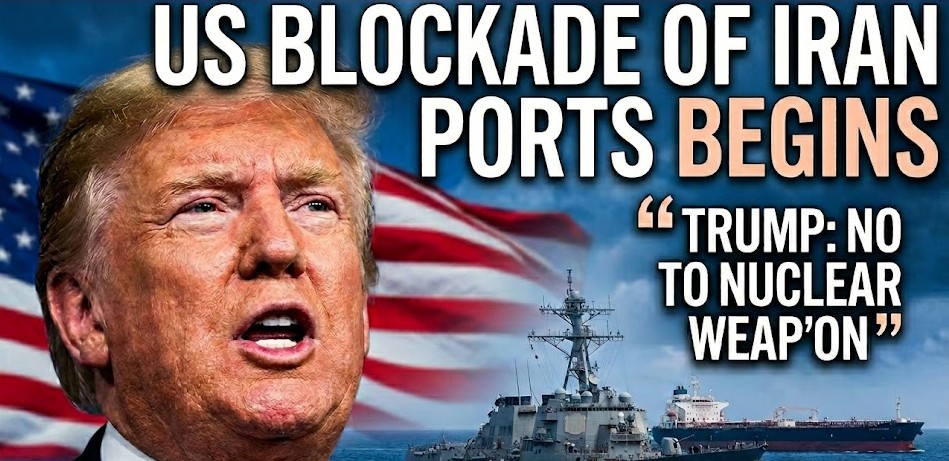
While diplomats engage in dialogue, the U.S. military is taking decisive action. Specifically, a newly implemented naval blockade of Iranian ports has been established. This strategic move is designed to:
-
Cripple Iran’s economy: By restricting maritime trade and revenue.
-
Restore global energy flow: Pressuring a reopening of the Strait of Hormuz—a critical chokepoint that handles 20% of the world’s oil supply.
Consequently, this “maximum pressure” tactic serves as the heavy-handed counterpart to the ongoing negotiations in Islamabad.
3. The Human Cost & Humanitarian Efforts
-
Massive Displacement: The United Nations reports that over 3.2 million civilians have been internally displaced since February 2026.
-
A Lifeline of Aid: In a rare breakthrough, the Red Cross (IFRC) successfully delivered the first shipment of trauma kits and medical supplies.
-
Strategic Access: These supplies arrived via land routes from Turkey into Tehran, marking the first major cross-border aid delivery since the start of the war.
4. Fragmented Alliances: A Divided West
If the blockade leads to further kinetic engagement, the “fragile path to peace” may crumble entirely.