
ISLAMABAD — The fragile peace in West Asia was shattered on Sunday as high-stakes negotiations between the United States and Iran collapsed after 21 hours of grueling talks. The failure has triggered an immediate military escalation and a shockwave through global energy markets.
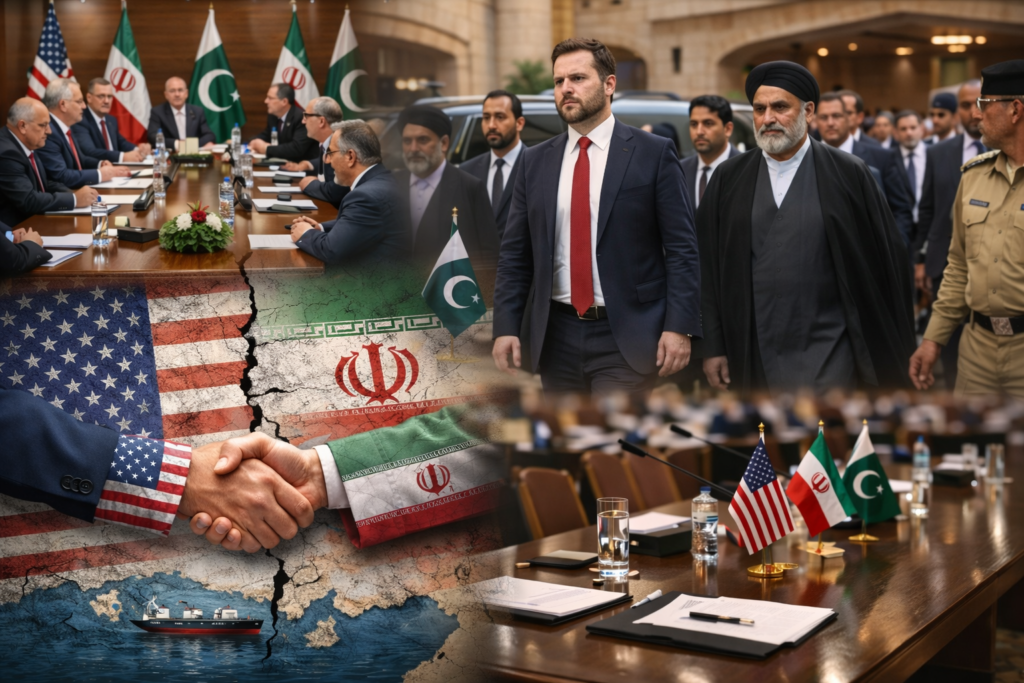
1. The Collapse of the Islamabad Summit
Despite mediation efforts by Pakistan, the summit ended in a stalemate. U.S. Vice President J.D. Vance characterized the American proposal as a “final and best offer,” which Tehran ultimately rejected.
-
The Sticking Point: Washington demanded a “fundamental commitment” from Iran to abandon its nuclear program and cease funding for regional proxies (Hamas, Hezbollah, and the Houthis).
-
Iran’s Stance: Iranian negotiators accused the U.S. of “maximalism” and “shifting goalposts,” claiming they were “inches away” from a deal before talks broke down.
2. Military Escalation: The “Deadly Vortex”
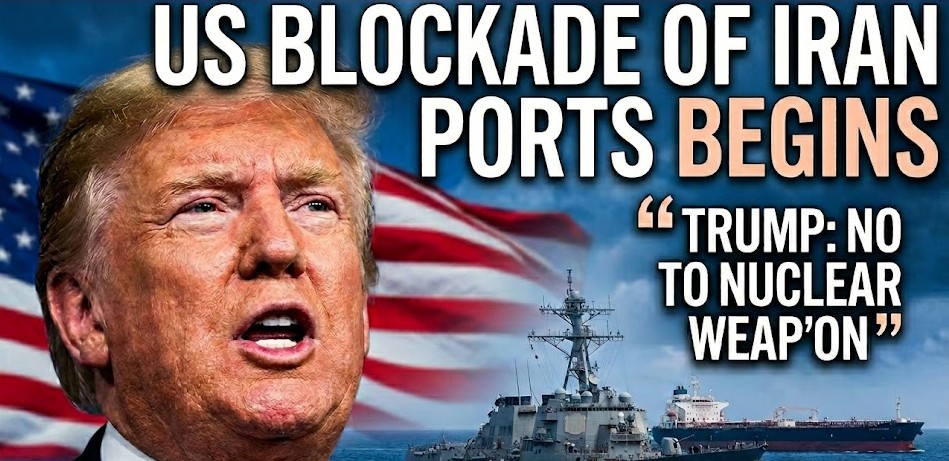
Minutes after the diplomatic exit, President Donald Trump ordered the U.S. Navy to begin a blockade of all Iranian Gulf ports, effective Monday at 1400 GMT.
“The United States Navy… will begin the process of BLOCKADING any and all Ships trying to enter, or leave, the Strait of Hormuz,” Trump announced via Truth Social.
The Counter-Threat: Iran’s Revolutionary Guards responded immediately, warning that the strategic waterway is under their “smart management.” They cautioned that any U.S. naval interference would trap “enemies” in a “deadly vortex.”
3. Global Economic Shockwaves
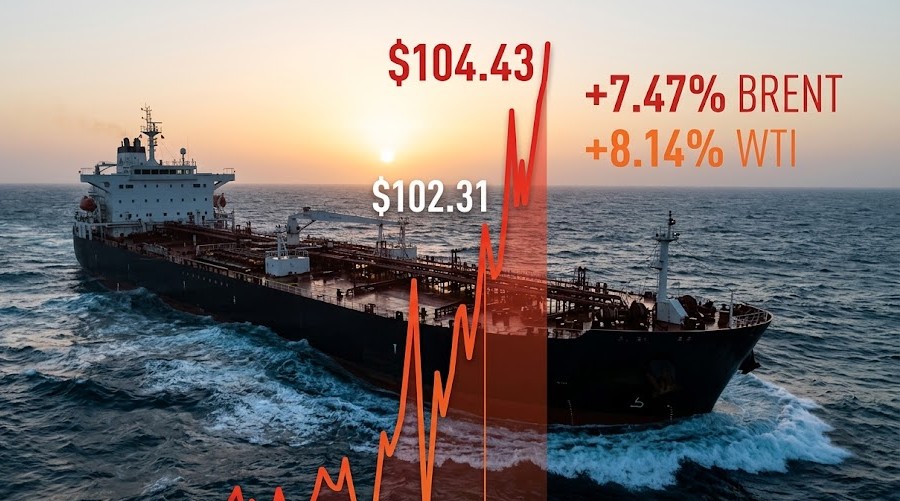
The threat of a blockade in a waterway that handles 20% of the world’s energy supply sent markets into a tailspin.
| Metric | Current Status | Change |
| Brent Crude | $102.31 / barrel | +7.47% |
| WTI Crude | $104.43 / barrel | +8.14% |
| Global Impact | High |
-
4. A Widening Conflict
The crisis is rapidly expanding beyond the Persian Gulf, involving major global players:
-
Trade War 2.0: President Trump has threatened 50% tariffs on China if Beijing provides military assistance to Tehran.
-
The Israeli Front: Prime Minister Benjamin Netanyahu stated that
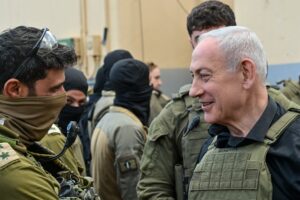 ”while Iran’s nuclear infrastructure has been ‘crushed,’ operations against Hezbollah in Southern Lebanon will continue”.
 -
The Human Cost: Iranian authorities report that 3,375 people have been killed since the start of the conflict.
-
What’s Next?
With the U.S. negotiating team having already departed Islamabad, there are currently no back-channel discussions active. The world now watches the Strait of Hormuz as the Monday deadline for the naval blockade approaches.