
The ‘Final Offer’ and Nuclear Redlines
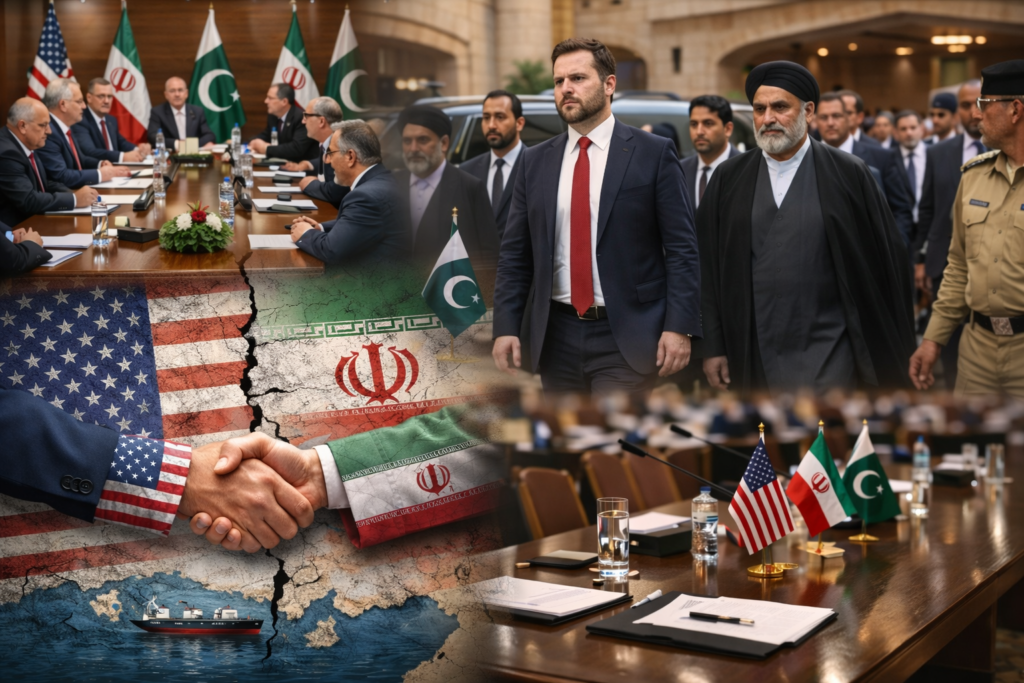
U.S. Vice President JD Vance characterised the American position as “flexible and accommodating,” stating that Washington had placed its “final and best offer” on the table. However, the talks collapsed primarily over Iran’s refusal to provide long-term, verifiable guarantees regarding its nuclear program.
According to U.S. officials, the core requirement for any deal remains a definitive commitment from Tehran to abandon the pursuit of nuclear weapons capability—a condition Iran has thus far declined to meet.
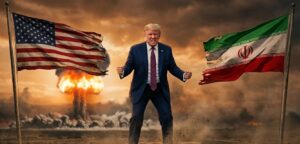
Trump’s Truth Social Post: A Global Shakeup
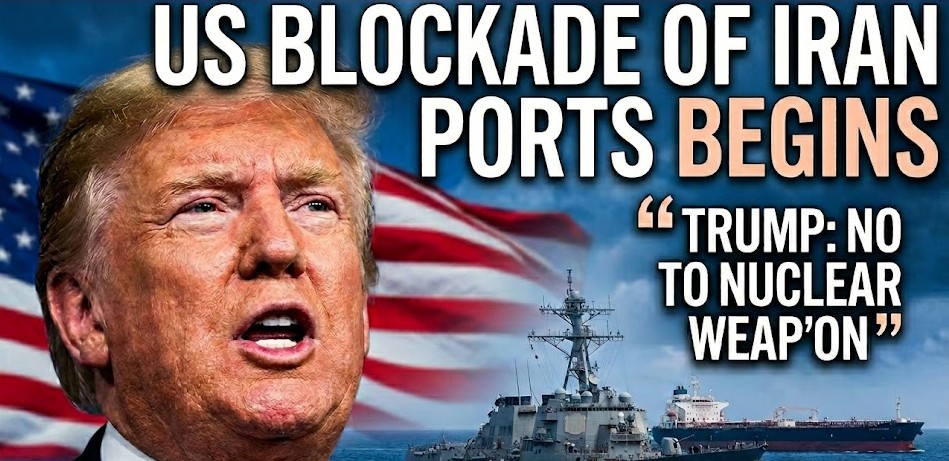
Adding fuel to the fire, Donald Trump’s recent post on Truth Social has sent shockwaves through the diplomatic community. With the provocative statement, “A WHOLE CIVILIZATION WILL DIE,” Trump has intensified the pressure on both the U.S. administration and Iranian leadership.
Analysts suggest that such rhetoric could either act as a catalyst for a more aggressive U.S. stance or further alienate Iranian negotiators, making a peaceful resolution even more difficult to achieve in the near future.
Regional Volatility and Global Concern
While a fragile two-week ceasefire technically remains in place, the security situation on the ground continues to deteriorate:
-
Israel reported intercepting drones launched from Lebanon and conducting targeted strikes on rocket infrastructure in southern Lebanon.
-
Pakistan, acting as the primary mediator, has urged both parties to uphold the truce, with Deputy Prime Minister Ishaq Dar stressing that continued dialogue is “imperative” for regional stability.
-
International leaders, including those from Australia and the UK, expressed disappointment over the deadlock and called for an immediate return to negotiations to prevent a broader regional escalation.
As the U.S. negotiating team departs Islamabad, the focus shifts to whether the existing ceasefire can survive the mounting diplomatic friction or if the region is headed toward a renewed phase of active conflict.